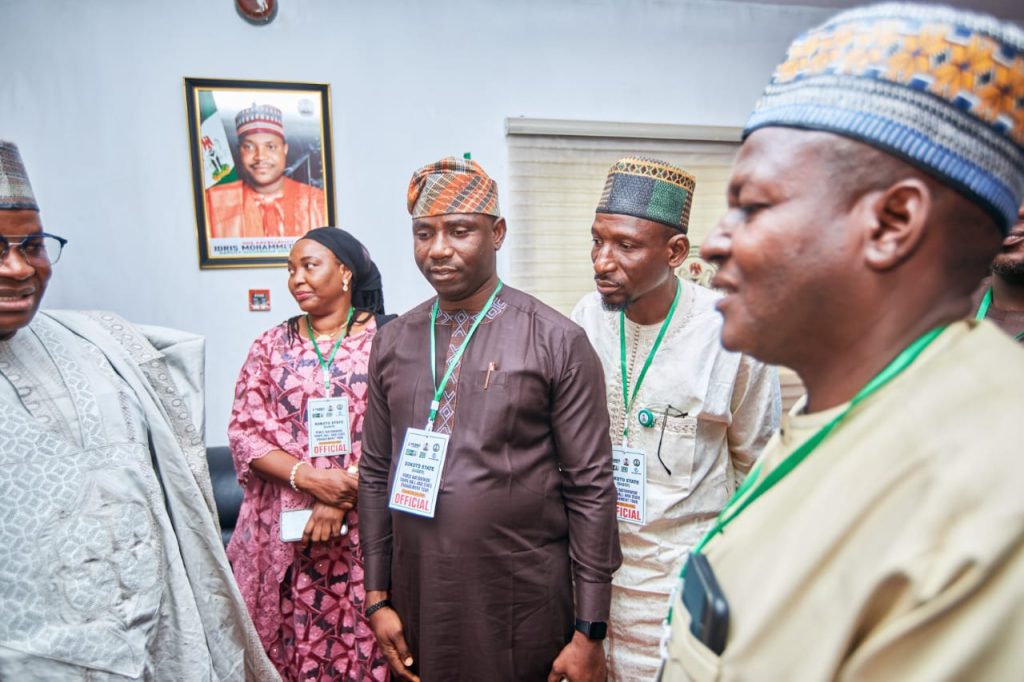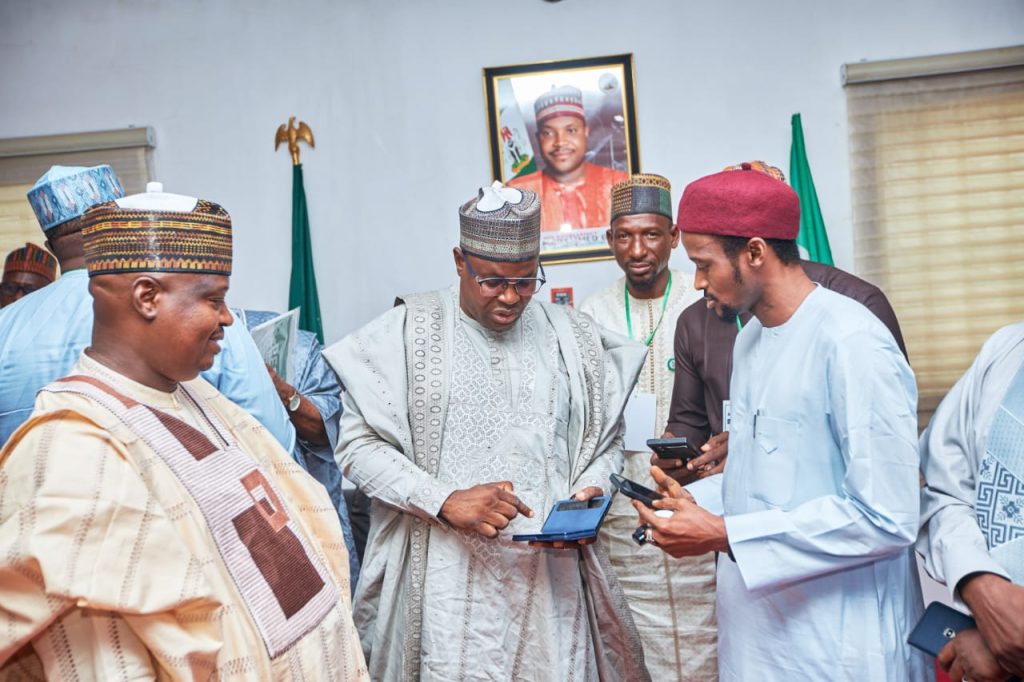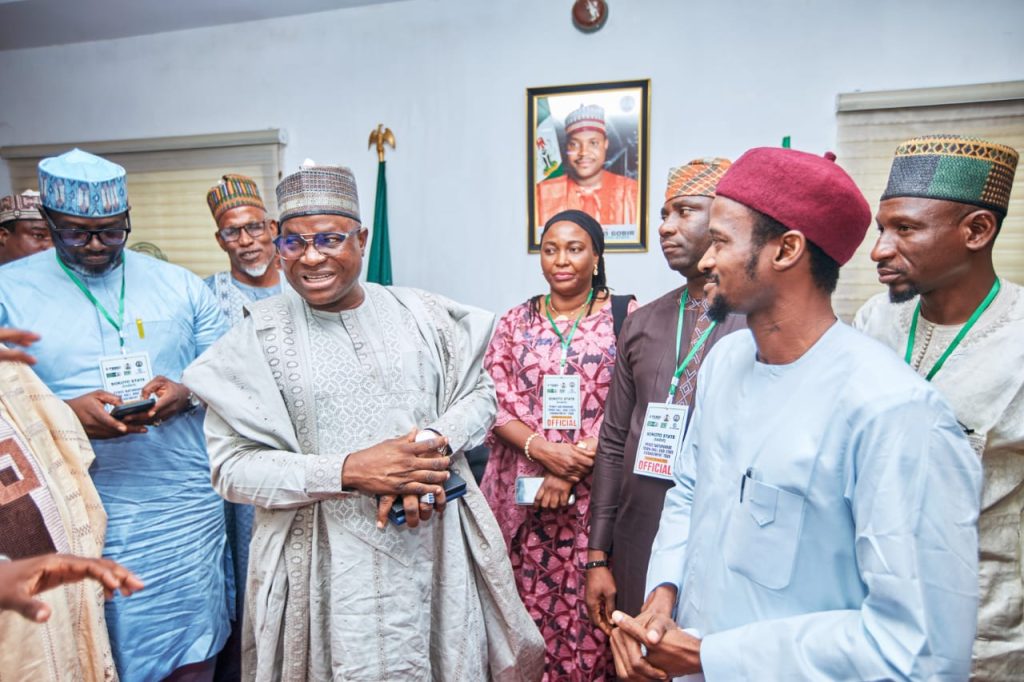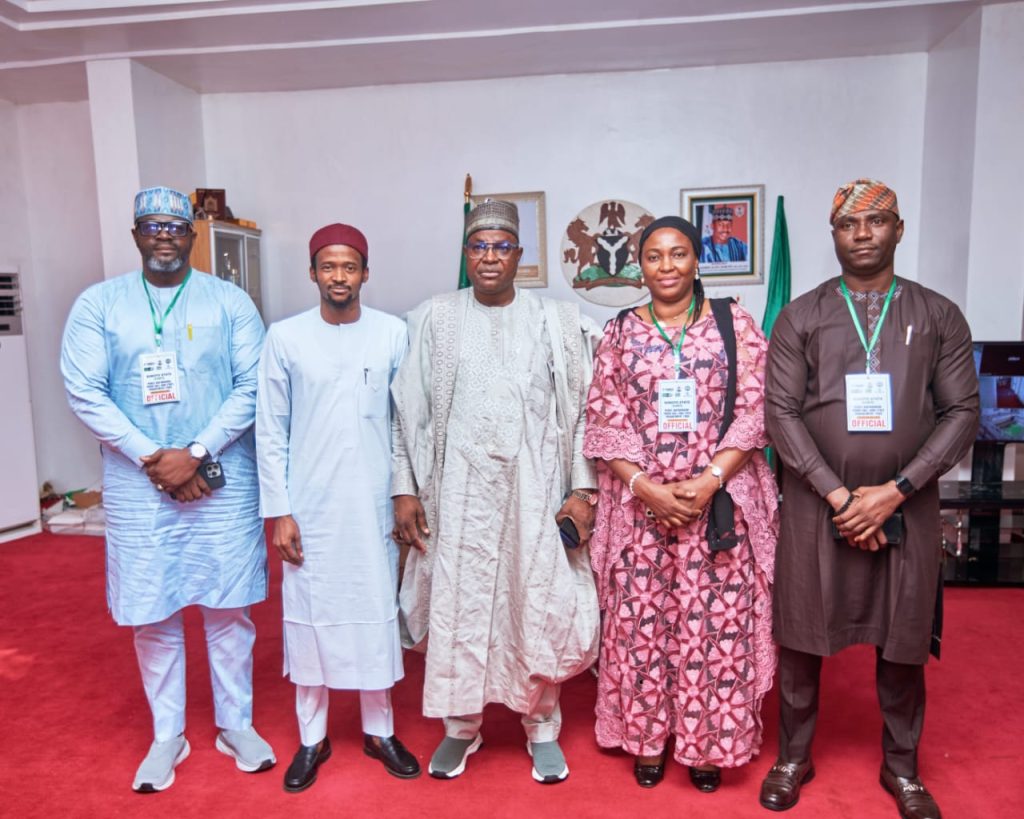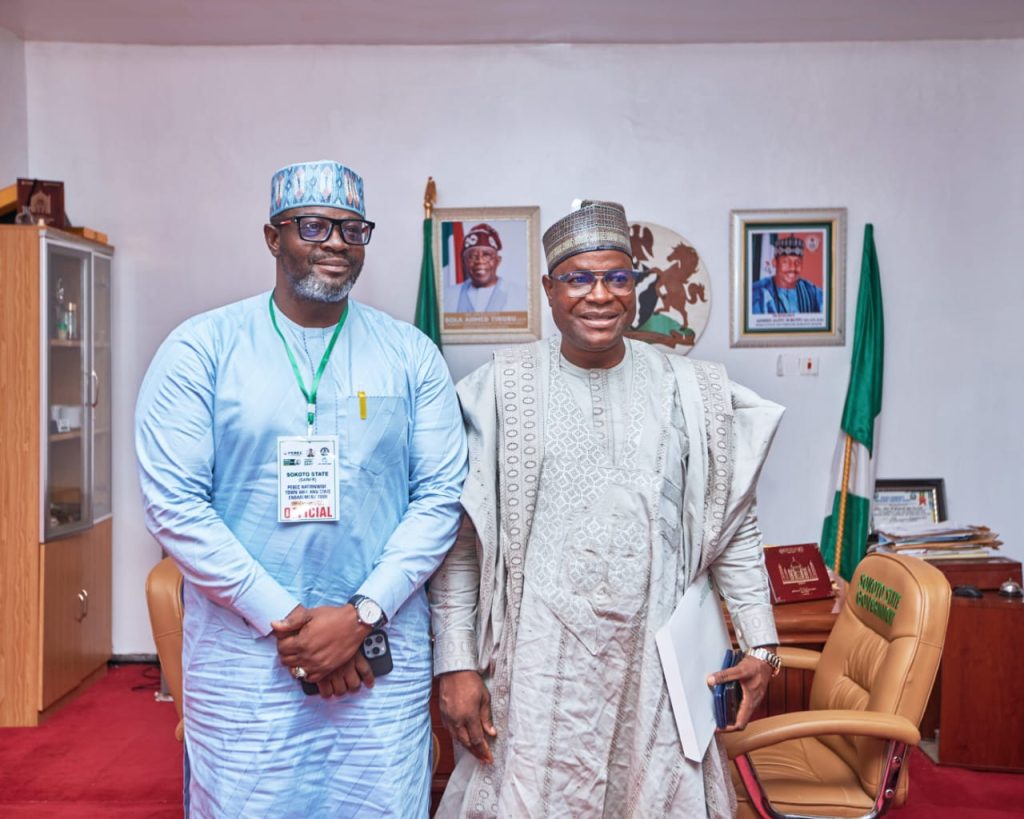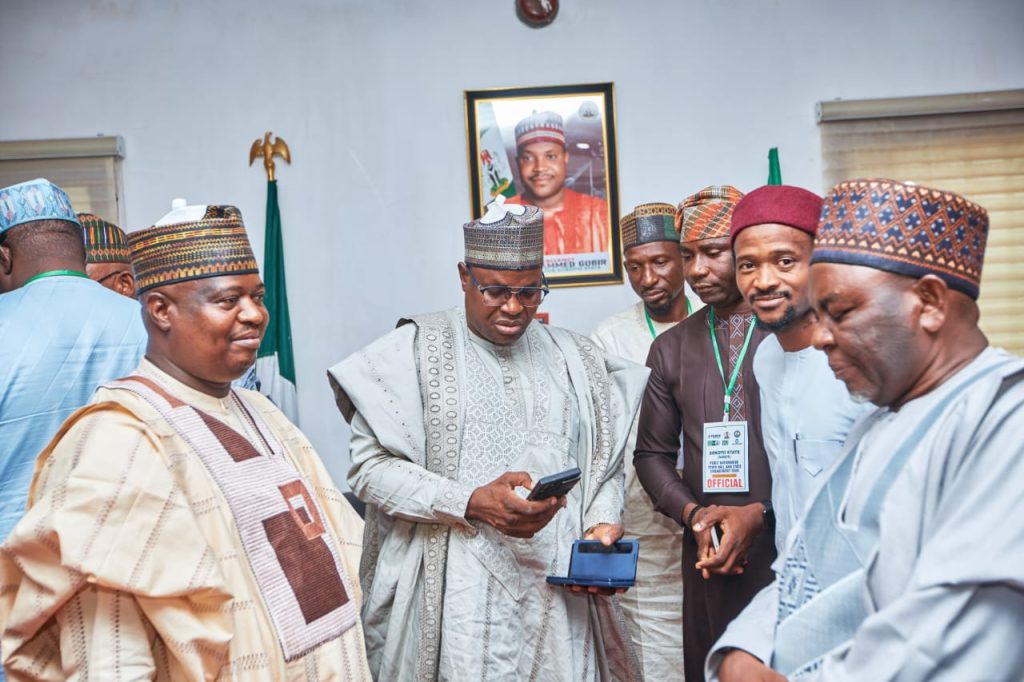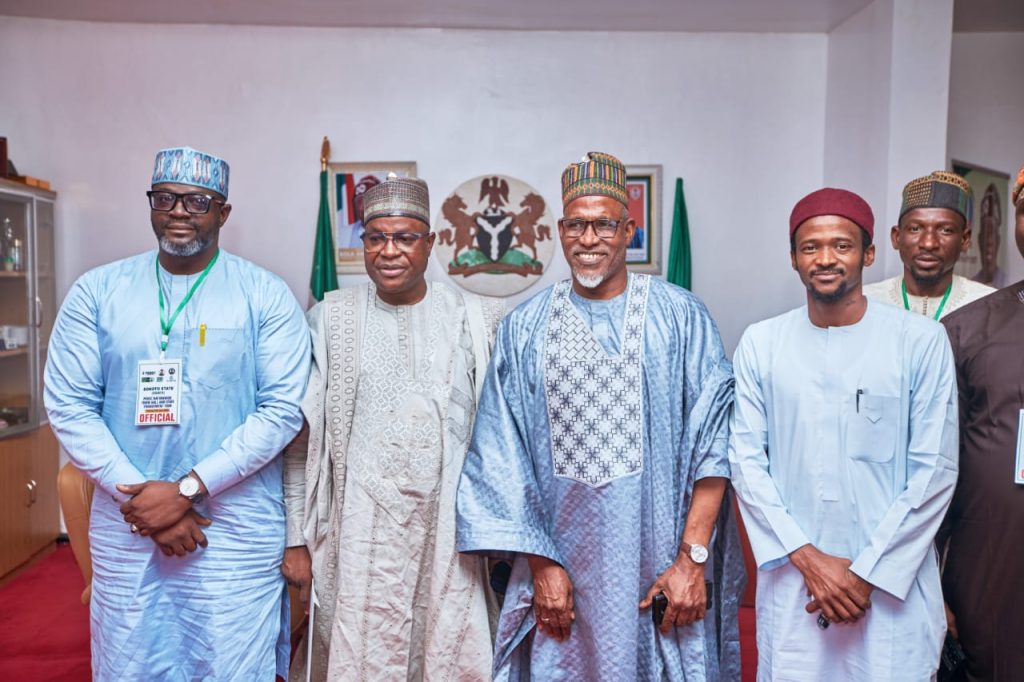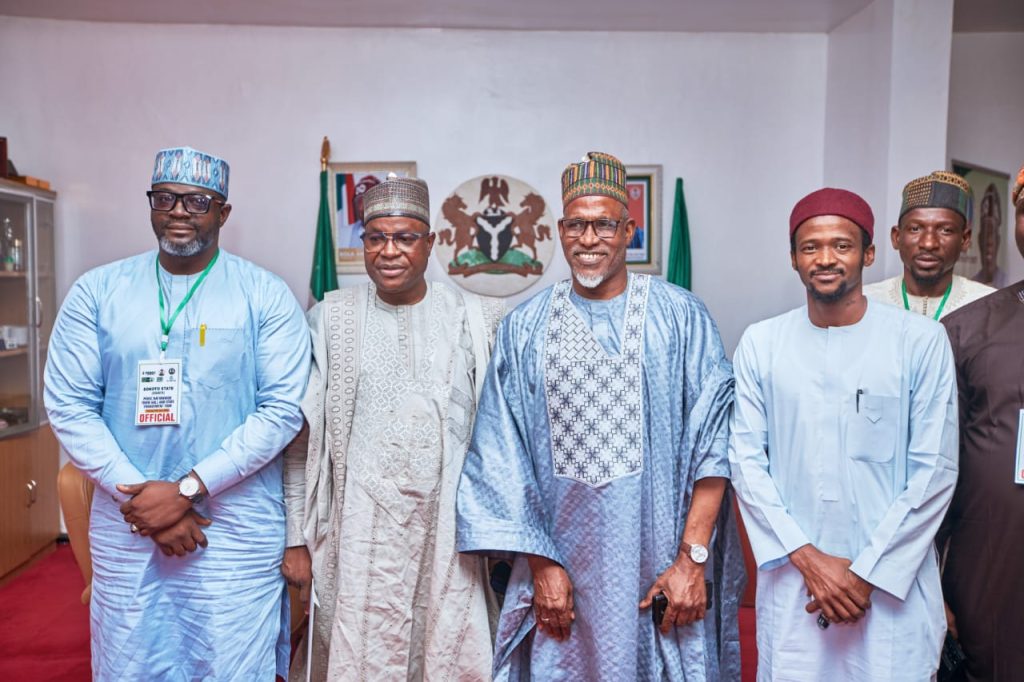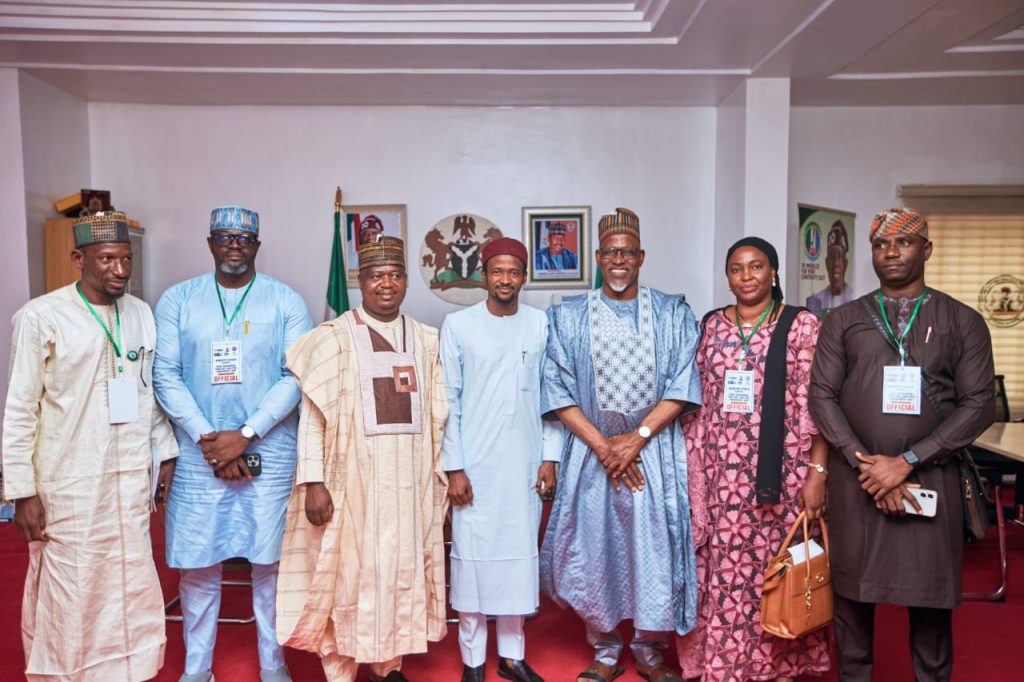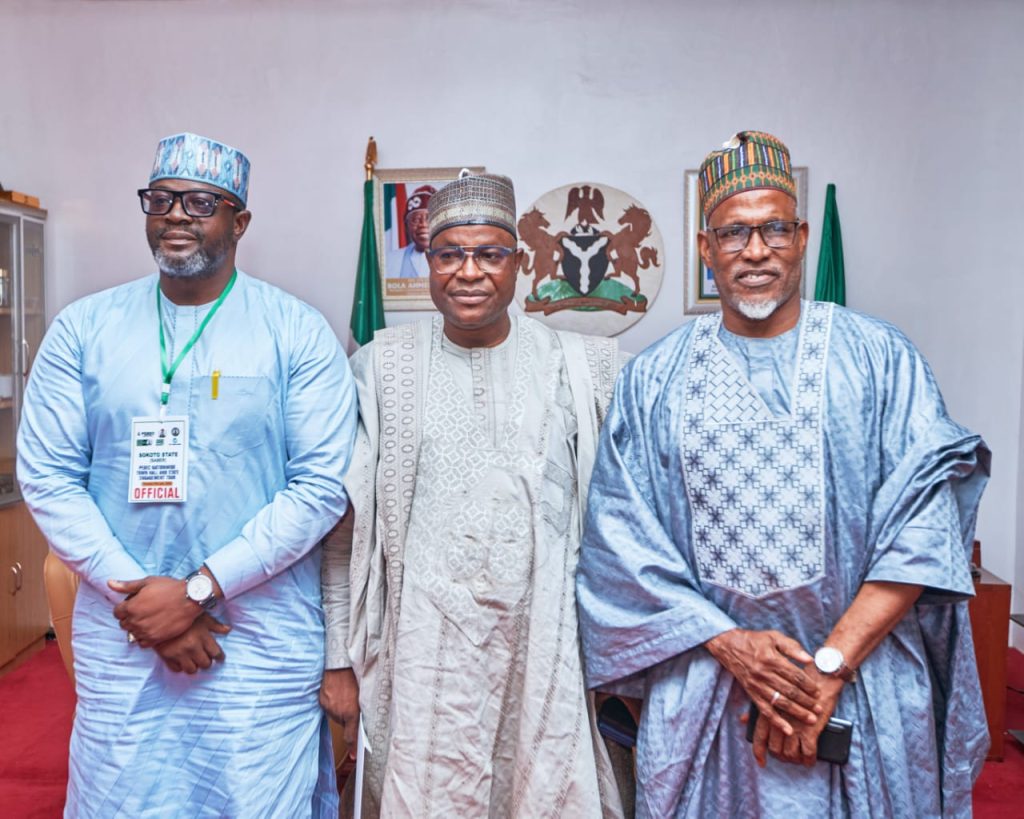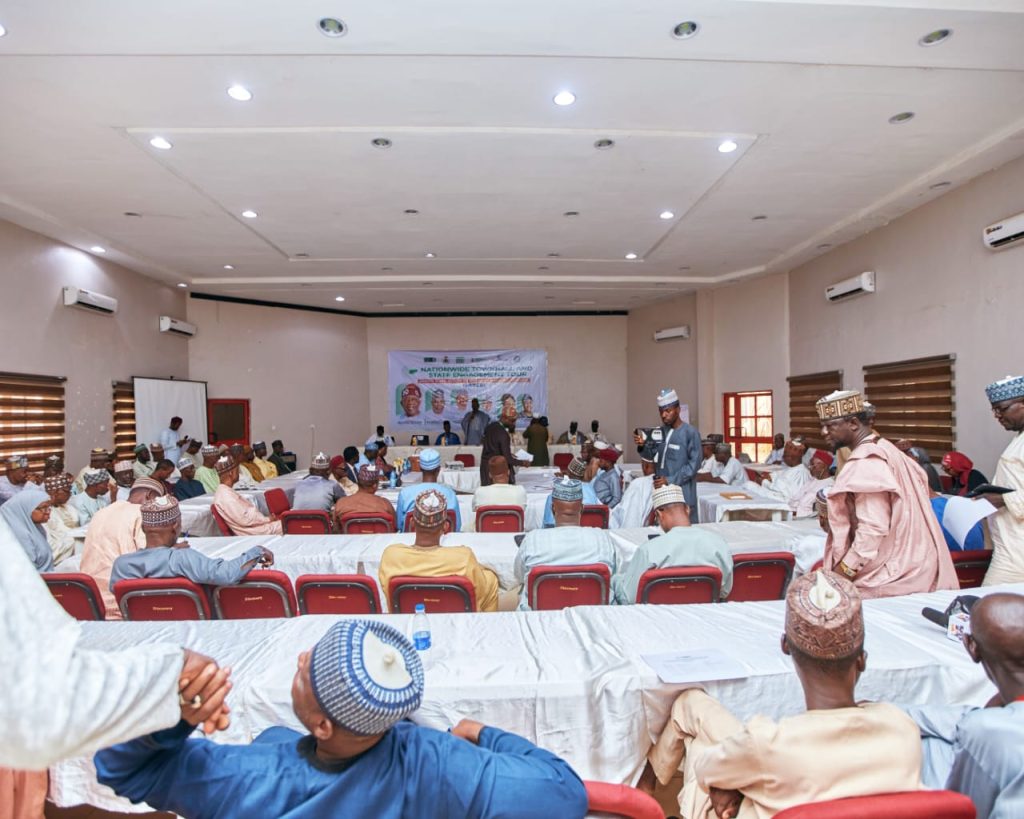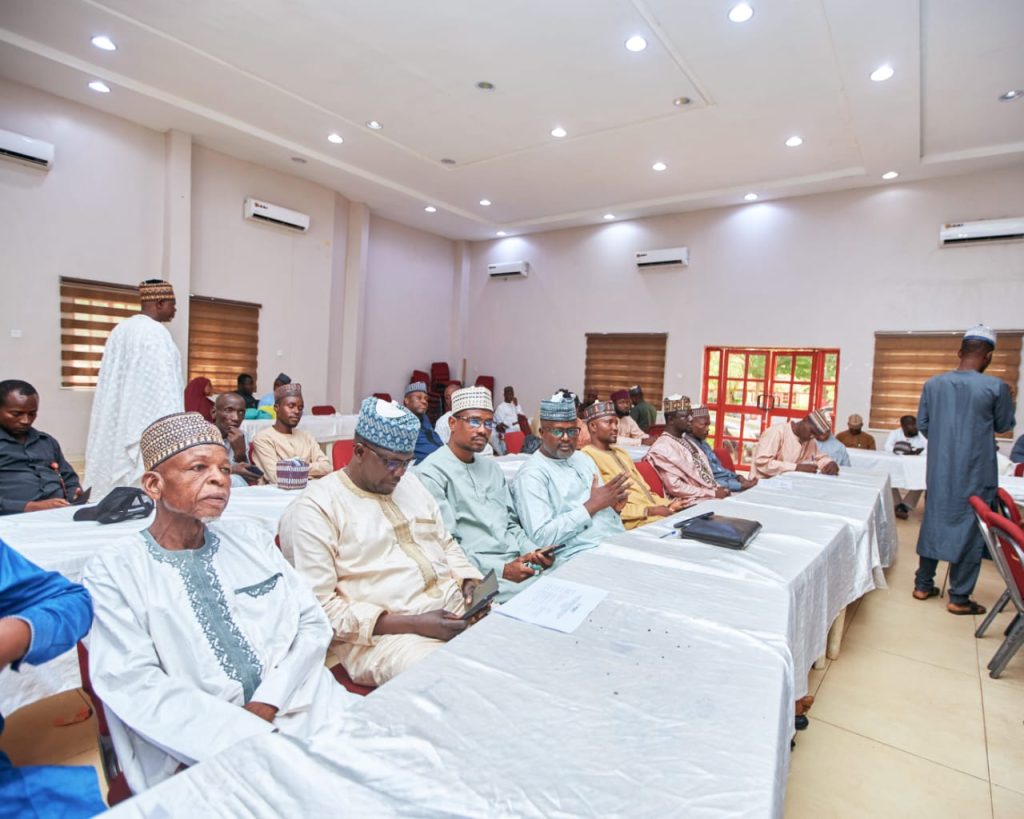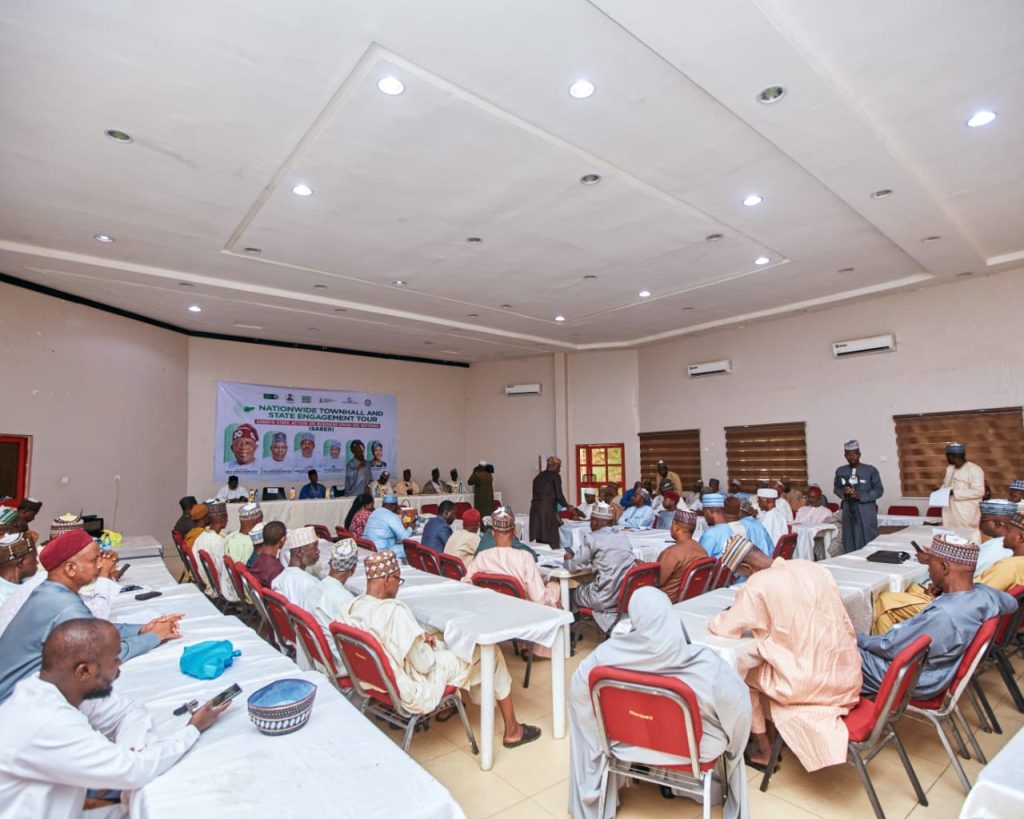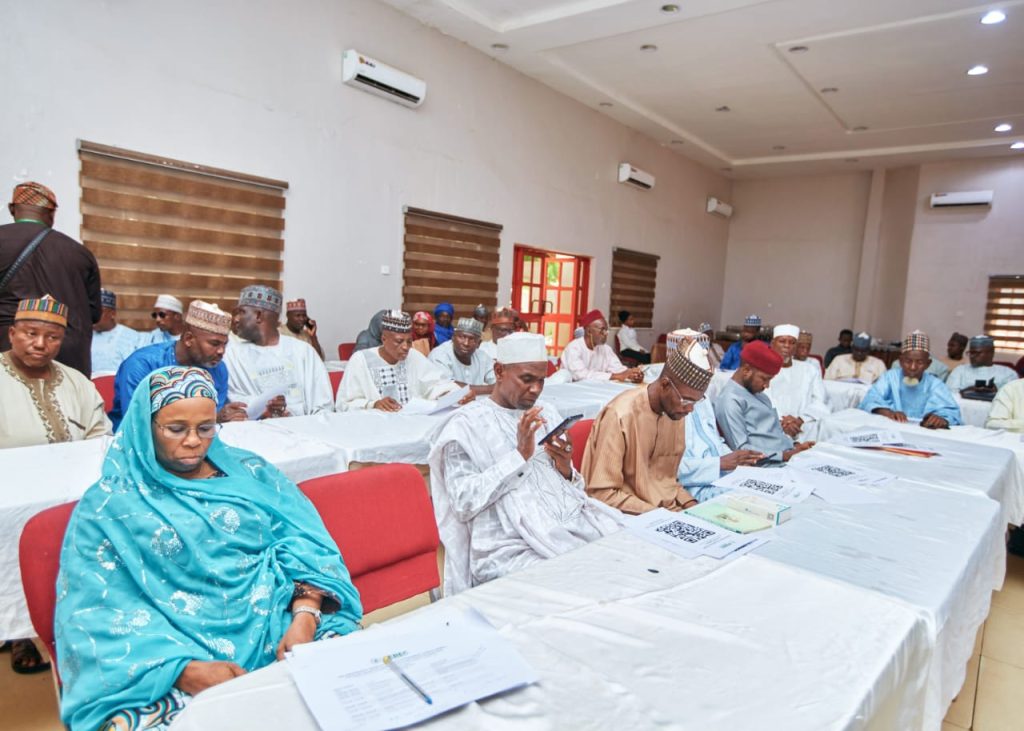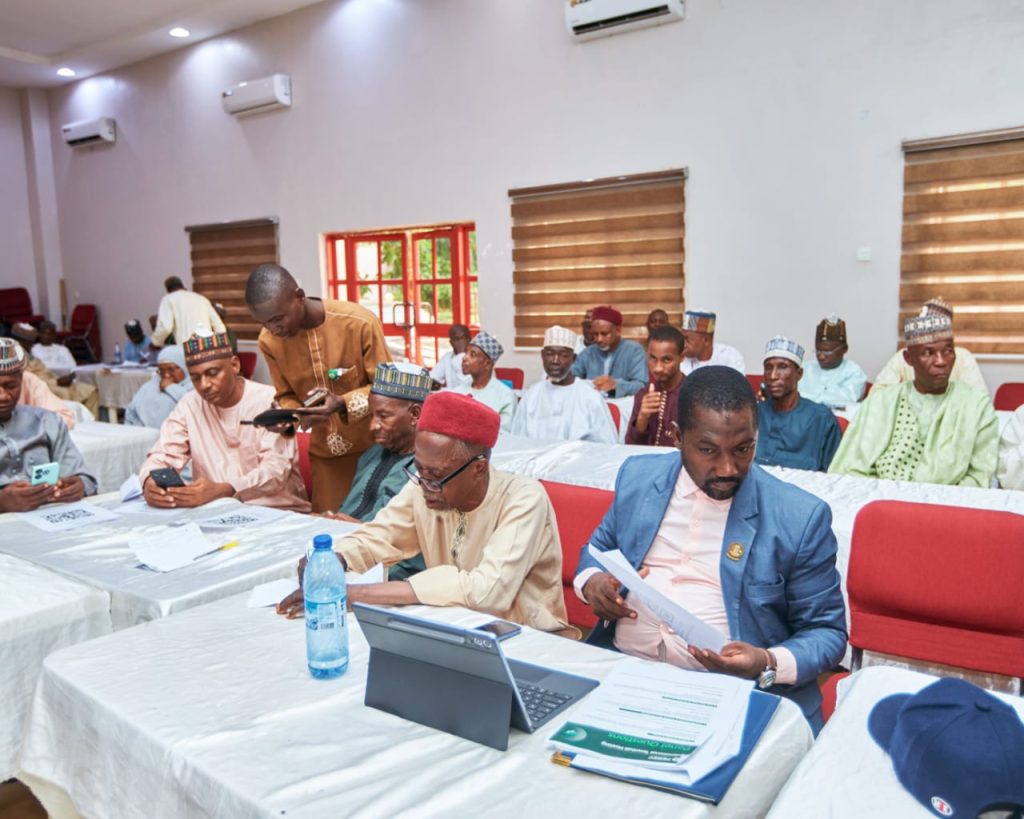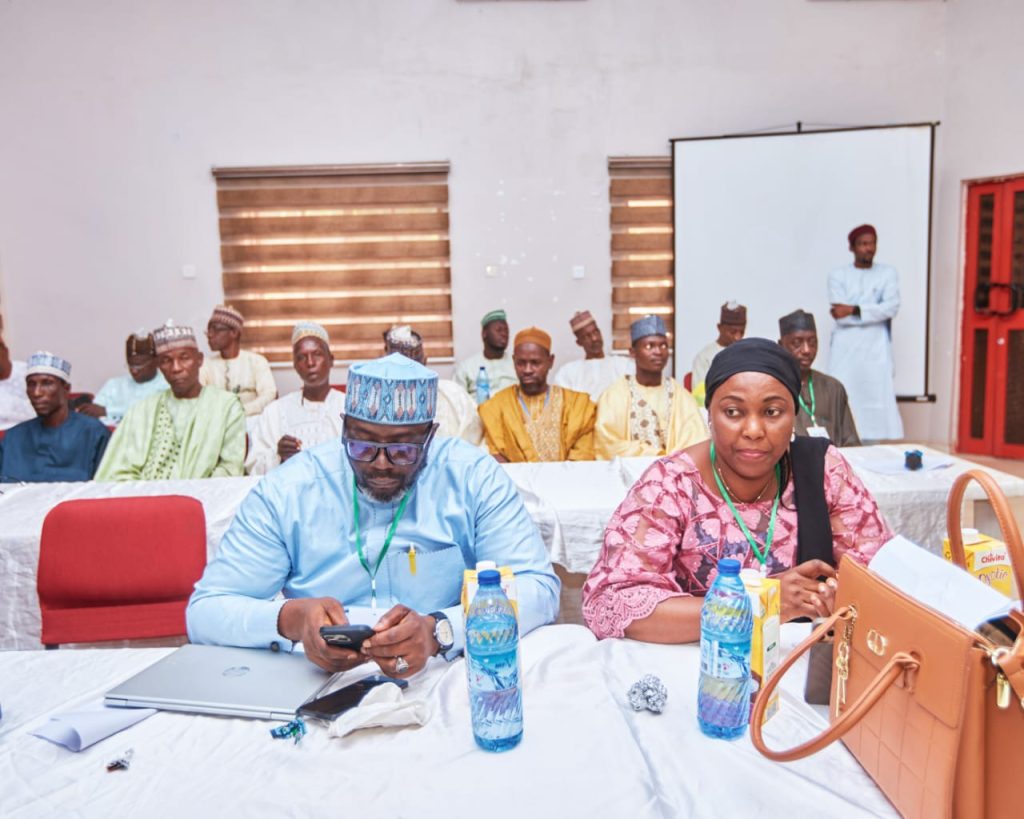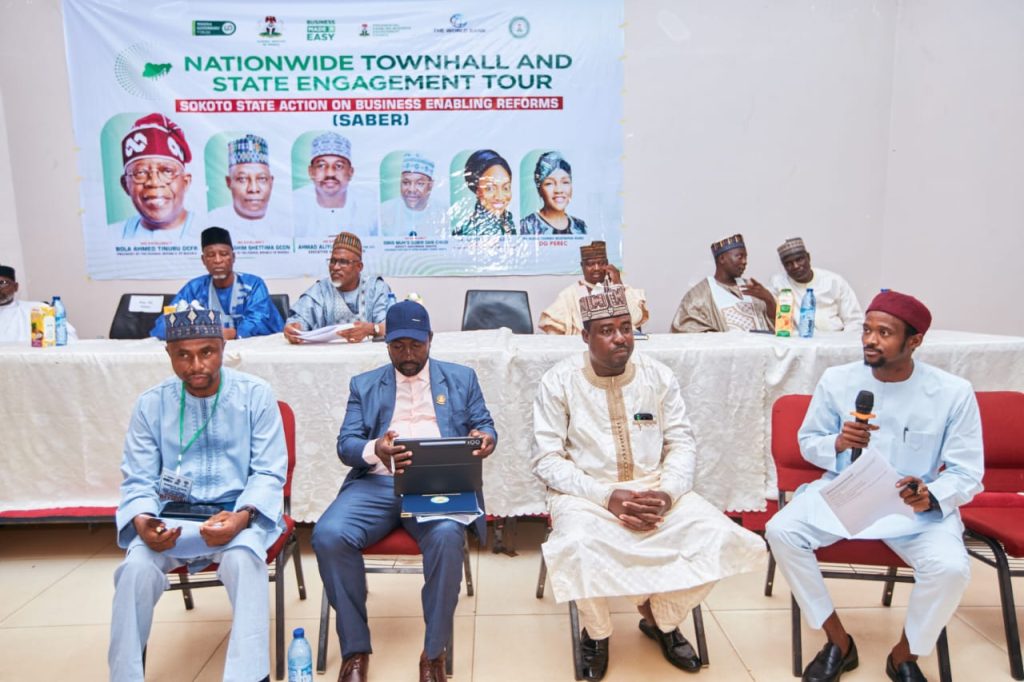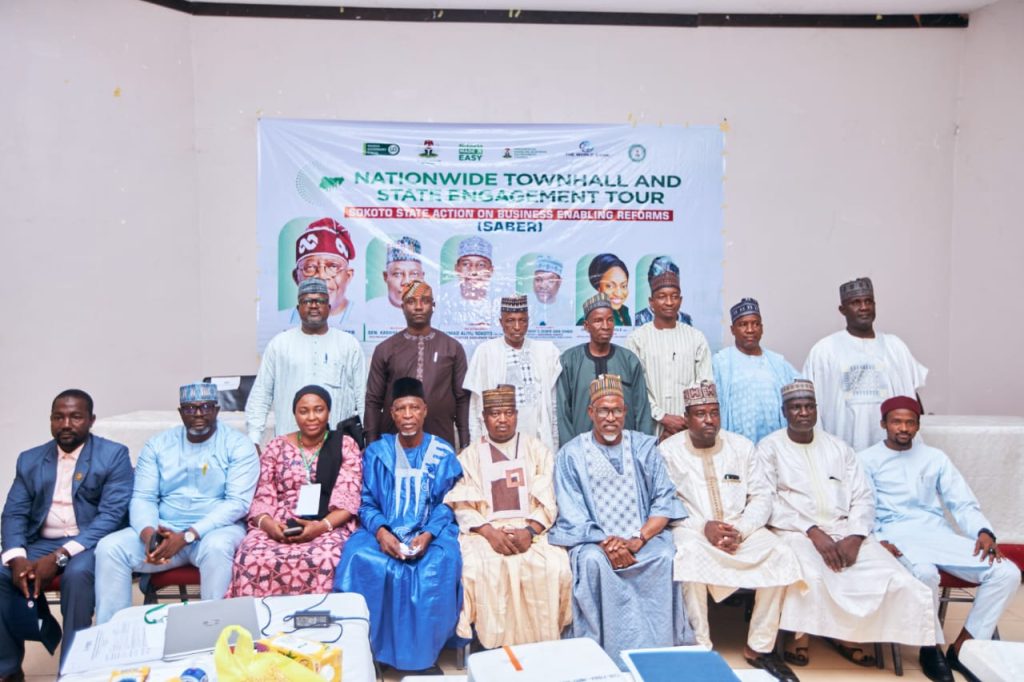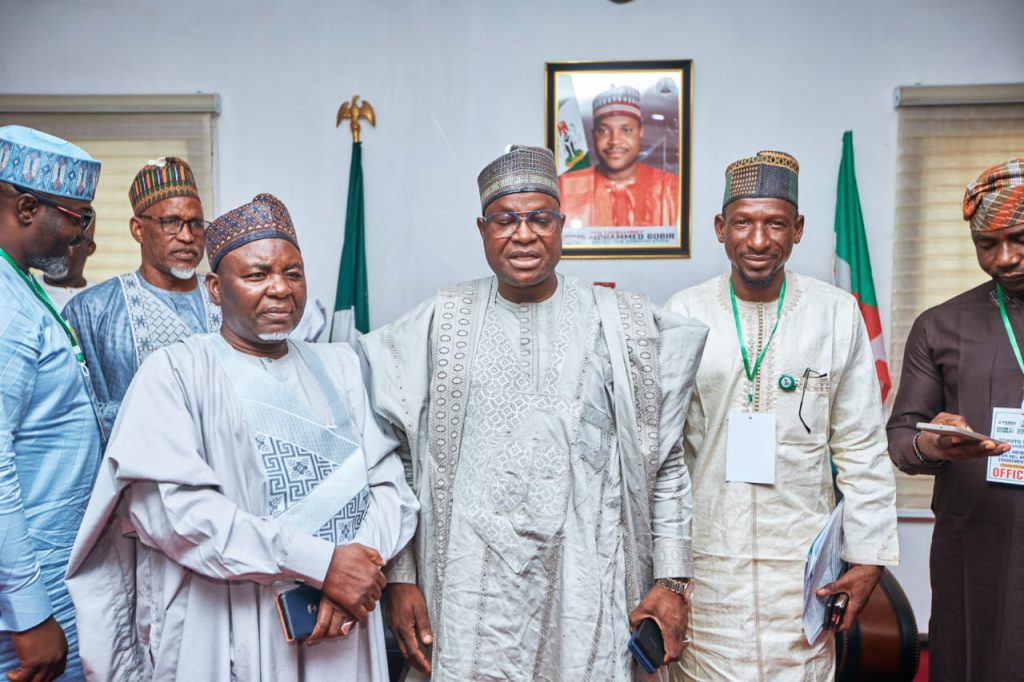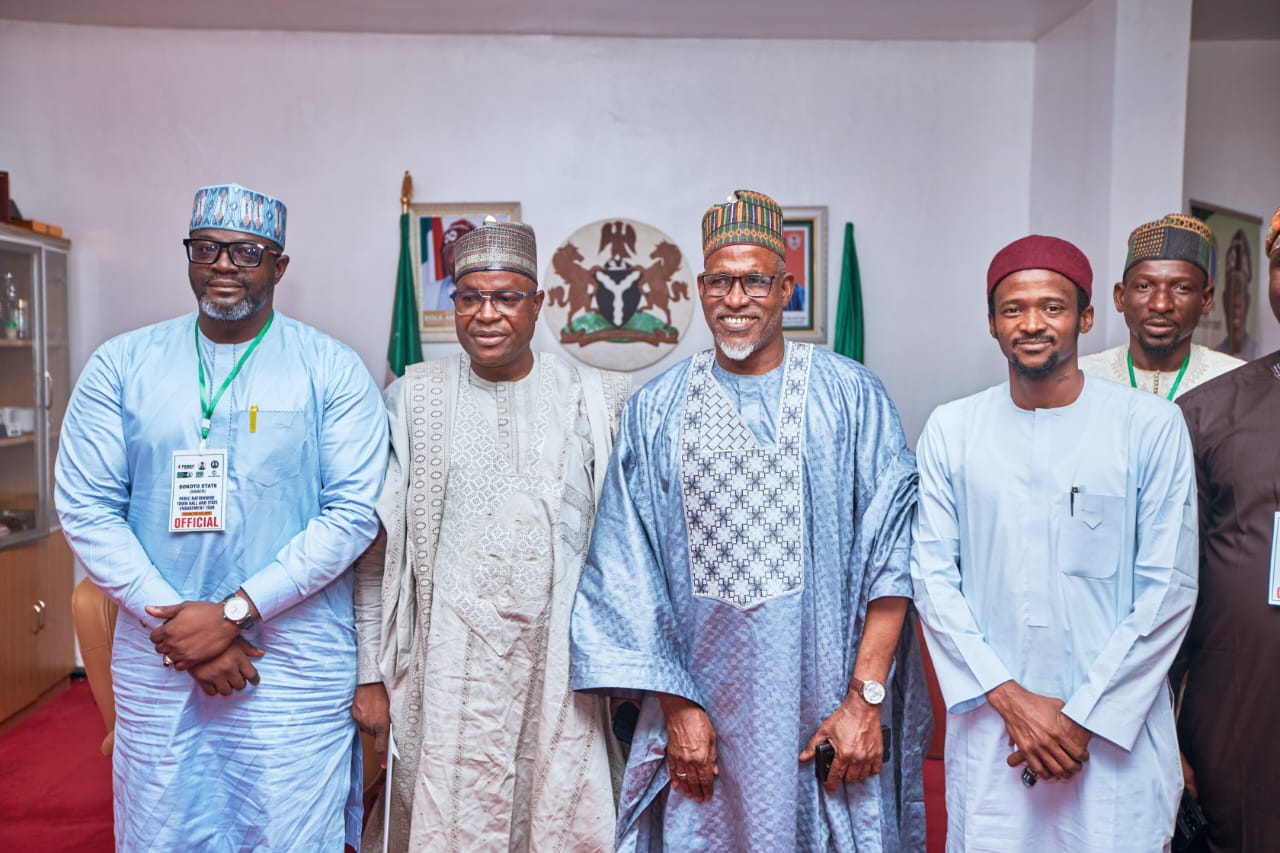

Sokoto State recently reaffirmed its commitment to fostering a thriving business environment by hosting the Presidential Enabling Business Environment Council (PEBEC) Nationwide Subnational Engagement and Technical Reform Workshop 2026. The event gathered key government officials, regulatory agencies, and private sector stakeholders to discuss actionable business-enabling reforms and boost investment competitiveness across Nigeria.
Transparent Leadership and Developmental Goals
The administration of Governor Ahmed Aliyu is deeply committed to ensuring transparency, accountability, and the efficient use of public resources. Represented at the event by the Hon. Commissioner of Finance, the Governor assured citizens that the people of Sokoto State deserve the direct benefits of these ongoing economic reforms.
A major highlight of the address was the announcement regarding the World Bank-supported State Action on Business Enabling Reforms (SABER) program. Resources obtained through the SABER program will be aggressively invested in critical developmental projects across the state. These investments are designed to translate into tangible development outcomes, improve the overall welfare of citizens, and drive forward the strategic objectives outlined in the state’s 9-Point Smart Agenda.
Removing Bureaucratic Bottlenecks
The technical sessions were headlined by Princess Zahrah Mustapha Audu, the Director-General of PEBEC, who provided a comprehensive overview of the council’s mandate. She emphasized that PEBEC was established to dismantle bureaucratic bottlenecks, simplify government procedures, and create a highly accommodating environment for investors, entrepreneurs, and small businesses.
To achieve this, the PEBEC Secretariat works intimately with state Ministries, Departments, and Agencies (MDAs) to implement targeted reforms that significantly reduce delays in:
- Business registration
- Tax payment processes
- Trade facilitation
- Primary and secondary regulatory compliance
The reform dialogue was further expanded by PEBEC Reform Leader, Dr. Rebecca, who spoke extensively on the specific objectives of the nationwide program. The sessions featured active participation from key state leaders, including the Hon. Commissioner for Water Resources, the Hon. Commissioner for Innovation and Digital Economy, Bashar Umar Kwabo, and the newly appointed Permanent Secretary, Bashir Omar.
Empowering the Business Community
Recognizing that sustainable reform requires the active partnership of the private sector, the workshop dedicated significant time to engaging the local business community. Alhaji Ahmed, the State Chairman of the Traders Association, advocated for business communities to fully embrace the policies and programs introduced by both the federal and state governments.
He highlighted that the administration’s proactive stance on the ease of doing business has already yielded positive results, most notably an influx of new investors arriving in Sokoto State for business purposes. The Chairman also expressed gratitude on behalf of local traders for the recent workshops organized to educate members on leveraging these new business-enabling frameworks.
Conclusion
The workshop concluded with a formal vote of thanks delivered by the Permanent Secretary of the Ministry of Commerce, Qasim Alkali, on behalf of the Hon. Commissioner of Commerce, Haruna Abbas. The Ministry expressed deep appreciation for the robust input and contributions from all participating MDAs, stakeholders, and business communities, which ultimately led to the resounding success of the technical workshop.